


Confidence That Feels Authentically You
A range of aesthetic skin concerns can be addressed, during the consultation process the doctor will determine a dedicated treatment approach, using carefully selected topical, oral and light-based therapies. Because every skin type is different, treatment plans are always tailored to individual needs and skin goals.
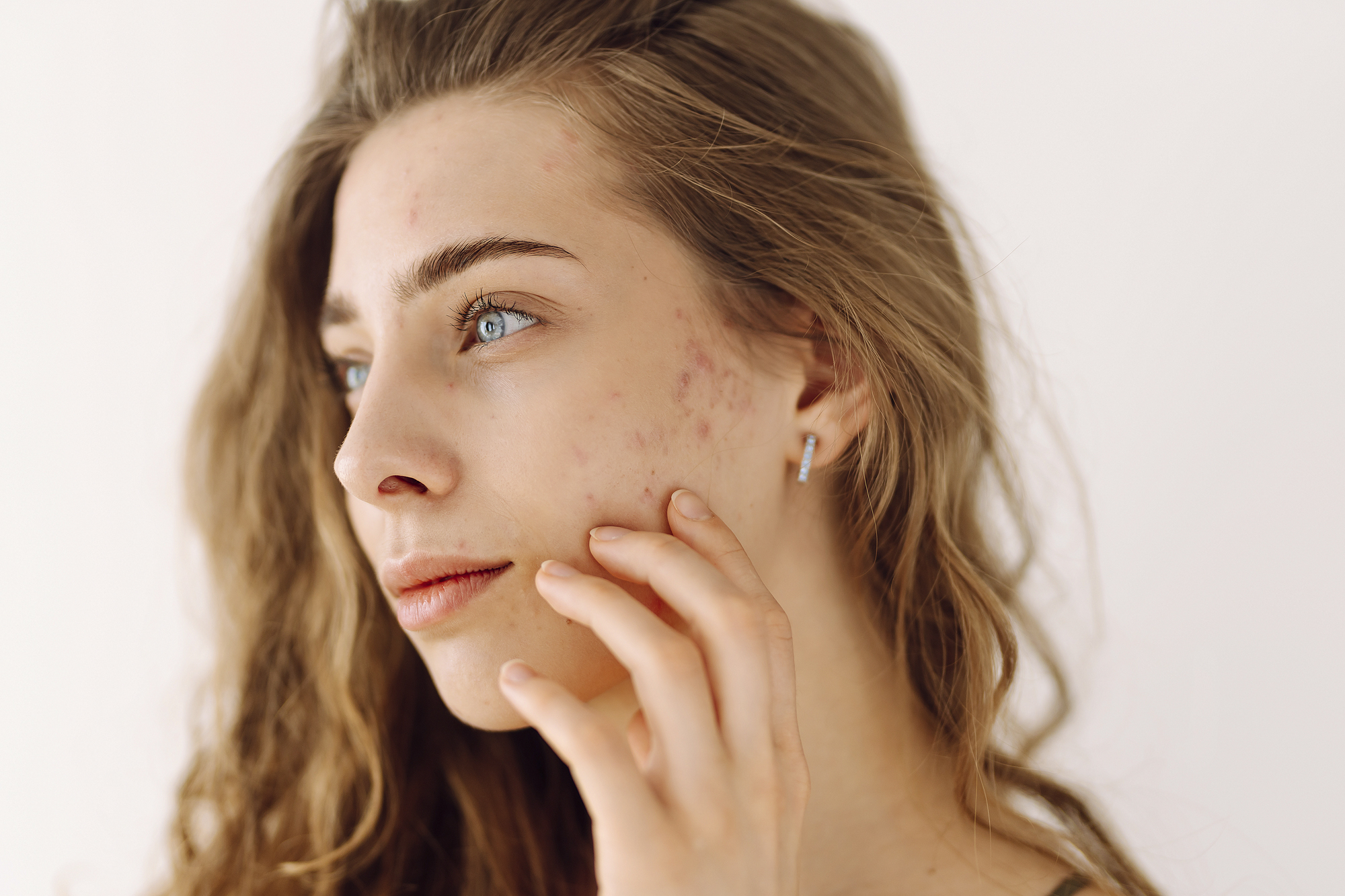
Acne, Congestion and Pores
Acne is one of the most common skin conditions affecting both adolescents and adults. This inflammatory skin concern can present as blackheads, whiteheads, papules, pustules, nodules or cysts, most commonly appearing on the face, neck, chest and back. Congestion and enlarged pores may also develop as part of this process.
Understanding the underlying causes of acne is an important step in achieving clearer skin. Our medical team provides personalised guidance and carefully developed treatment plans to support healthier, more balanced skin over time.
Treatment Options
Treatment plans begin with a comprehensive consultation to understand individual skin concerns, medical history and treatment goals. Based on this assessment, practitioners may recommend a combination of clinically guided treatments.
• Presciption medication
• Medical grade peels
• Excel V+
• Laser Genesis
• RF Microneedling
• LED light treatment
Broken Capillaries, Veins and Rosacea
Broken capillaries, medically known as telangiectasia, are small visible blood vessels that often appear on the nose, cheeks and chin. They are more common in individuals with fair or sensitive skin and may develop gradually over time.
Rosacea is a chronic skin condition that can cause persistent redness, flushing and visible vessels across the central face. In some cases, additional symptoms such as skin sensitivity, thickening or small pustules may occur. Triggers such as heat, stress, alcohol and certain foods can contribute to flare-ups.
Treatment Options
Treatment plans are guided by a thorough consultation to assess the severity of the condition.
Laser-based technologies can be used to target vascular concerns with precision, helping to improve the appearance of broken capillaries and support a more even skin tone. Depending on the skin condition and treatment goals, a combination of therapies may be recommended to support long-term skin health.
• Excel V+
• Laser Genesis
• Oral or topical prescription
• Medical grade Peels
Pigment
Pigmentation refers to darkening of the skin due to an increased production of melanin — the natural pigment responsible for skin, hair and eye colour. When melanin becomes unevenly distributed, it can appear as spots, patches or an overall uneven skin tone.
Common forms of pigmentation include sun spots, freckles, melasma and post-inflammatory hyperpigmentation (PIH), which can develop following skin inflammation or injury.
Treatment Options
Managing pigmentation often requires a tailored combination of treatments. In-clinic laser technologies can be used to target visible pigment, while treatments such as microneedling support skin renewal and enhance the absorption of active skincare ingredients. Prescription skincare may also be recommended to assist with pigment management and support overall skin clarity.
• Pico Laser
• CO₂ Laser
• Prescription Skincare
Volume Loss and Skin Laxity
A reduction in skin elasticity and firmness is a common sign of ageing and may appear as creppy texture, sagging or loss of facial volume. Over time, natural levels of collagen and elastin gradually decline, affecting the skin’s ability to remain firm and resilient. Elastin helps the skin stretch and return to its original shape, and as these supportive structures diminish, the skin may appear looser and less defined.
Treatment Options
Treatment approaches focus on supporting collagen production and improving overall volume loss. At LMC Skin and Laser, a range of advanced treatments may be recommended to address skin laxity, enhance firmness and help restore a more refreshed appearance. Each treatment plan is tailored to individual skin concerns and aesthetic goals.
• Volume enhancement
Bioremodelling
• Collagen Stimulating products
• CO₂ Laser rejuvination
• Radio Frequency (RF) Microneedling
FAQ:
How long do treatments last?
The duration of results and recommended timing between treatments can vary depending on the specific procedure, the skin concern being addressed and individual skin response. During consultation, a practitioner will outline an appropriate treatment schedule and advise whether maintenance sessions may be beneficial to support ongoing skin health and results.
What can be achieved with treatment?
Treatment goals vary for each individual, as skin concerns, preferences and facial features are unique. During consultation, a range of minimally invasive options can be discussed to address specific concerns and aesthetic goals.
Non-surgical treatments are designed to provide temporary, adaptable outcomes without surgery, allowing results to be refined over time. A personalised treatment plan is developed to suit individual skin needs and desired outcomes.
Is a consultation required before treatment?
Yes. A consultation is an important part of the treatment process. It allows practitioners to assess skin concerns, review medical history and discuss suitable treatment options before any procedure is performed.
Am I a suitable candidate for treatment?
Suitability for treatment depends on several factors including skin type, medical history and the concern being addressed. A consultation allows a practitioner to assess individual circumstances and determine whether a particular treatment is appropriate.
Are the treatments safe?
Treatments are performed using clinically recognised technology within a professional medical environment. At LMC Skin and Laser, procedures are delivered by qualified practitioners and follow Australian regulatory guidelines and safety standards.
Is there any downtime after treatment?
Downtime varies depending on the procedure performed. Some treatments may involve minimal recovery time, while others may require a short period for the skin to settle. Your practitioner will explain what to expect and provide aftercare guidance during your consultation.